Tobacconist Guides

Our Tobacconist Guides bring the knowledge, warmth, and customer‑focused service of a traditional tobacconist into the digital age. Whether you’re choosing a pipe, exploring cigars, or finding the right tobacco blend, these guides offer clear, expert advice shaped by decades of real tobacconist experience. Thoughtful, practical, and written with old‑world charm, they’re designed to help you shop with confidence — just as you would in a proper brick‑and‑mortar shop.
Browse the sections below to Explore
Cigars

Our Cigar Guides bring the experience of talking to a seasoned tobacconist straight to your screen. Whether you’re choosing your first cigar, exploring strength and flavour profiles, or learning how to cut, light, and enjoy a cigar properly, these guides deliver clear, expert advice shaped by decades of real‑world knowledge. Blending traditional tobacconist charm with modern clarity, they help you navigate the world of cigars with confidence and ease.
Aged & Rare Cigars
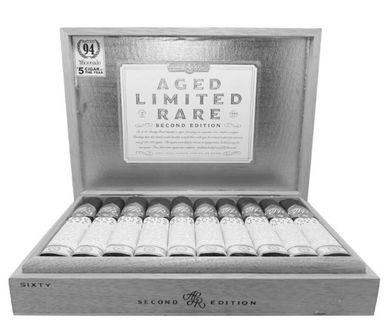
Aged and rare cigars offer a depth and refinement that only time, scarcity, and careful stewardship can produce. As premium cigars mature, their flavours integrate, their edges soften, and their character becomes more harmonious — revealing nuances that simply aren’t present in younger examples. Rarity adds another dimension: limited harvests, discontinued lines, and small‑batch releases that represent moments in cigar history.
This section brings together clear, practical guidance on how ageing affects cigars, what makes a cigar genuinely rare, how to identify pieces worth collecting, and how to store them correctly for long‑term development. Whether you’re beginning a collection or refining an existing one, these guides help you understand and appreciate the cigars that reward patience and provenance.
Pipes
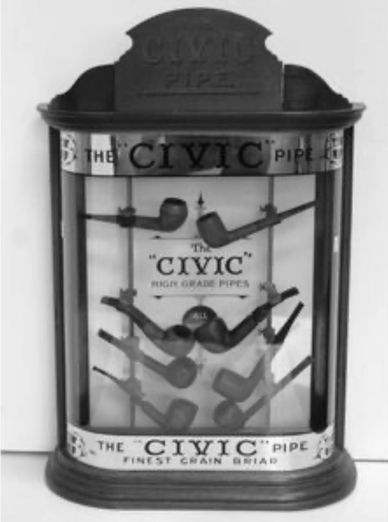
Our Pipe Guides bring the knowledge, patience, and personal service of a traditional tobacconist into the online world. Whether you’re choosing your first pipe, comparing shapes and materials, or learning how to pack, light, and care for your pipe properly, these guides offer clear, expert advice shaped by decades of hands‑on experience. Blending heritage with modern simplicity, they help you enjoy the craft of pipe smoking with confidence and ease.
Pipe Tobacco

Our Pipe Tobacco Guides bring the knowledge, palate, and personal service of a traditional tobacconist into the digital era. From choosing the right blend to understanding cuts, strengths, and flavour profiles, these guides offer clear, expert advice shaped by decades of real tobacconist experience — including our own work with aged and cellared tobaccos. Blending heritage with modern simplicity, they help you explore pipe tobacco with confidence, curiosity, and the same guidance you’d expect from a trusted shopkeeper behind the counter.
Aged & Cellared Pipe Tobacco

Aged and cellared pipe tobacco develops in ways fresh blends simply can’t. Time allows the leaf to settle, deepen, and round out, softening sharp edges while bringing forward richer, more integrated flavours. For many smokers, it’s the most rewarding way to experience a blend at its full potential.
This section brings together clear, practical information on how ageing works, what changes to expect, how to store tobacco correctly, and how to choose tins worth cellaring. Whether you’re curious about the basics or looking to refine your approach, these guides give you the knowledge to get the best from every year of maturation.
Cigar guides
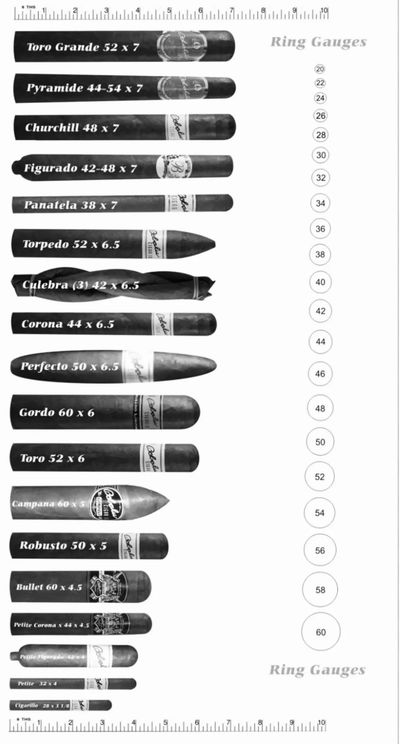
Cigar Sizes & Shapes Explained
Cigar sizes and shapes play a major role in how a cigar tastes, burns, and feels to smoke. Length, ring gauge, and vitola all influence draw, temperature, flavour intensity, and smoking time — making them just as important as the blend itself. Ring gauge refers to diameter (measured in 64ths of an inch): slimmer cigars burn hotter and highlight wrapper flavour, while thicker cigars burn cooler with a slower, richer draw. Length affects duration, with shorter cigars ideal for quick sessions and longer cigars offering extended, evolving flavour.
Vitolas — the traditional names for shapes and sizes — help you understand what to expect. Parejos are straight‑sided classics like the Corona, Robusto, Toro, and Churchill, each offering a different balance of time and flavour. Figurados, such as Torpedoes, Perfectos, and Pyramids, introduce tapered or sculpted shapes that change airflow and complexity as you smoke. Whether you prefer a quick Petit Corona, a balanced Toro, or a long, contemplative Churchill, knowing how size and shape affect the experience makes choosing the right cigar effortless.
Beginners Guide to Cigars
If you’re new to cigars, the choice can feel overwhelming — but it doesn’t need to be. This beginner’s guide gives you the essentials in plain, friendly language so you can choose your first cigars with confidence. Start by looking for mild to medium‑strength cigars, as these are smoother, gentler, and far more forgiving for new smokers. Popular beginner‑friendly sizes include the Robusto (around 45–60 minutes) and Petit Corona (30–40 minutes), offering enough time to enjoy the flavour without committing to a long session.
Look for cigars described as creamy, mellow, smooth, or light, and avoid anything overly large or full‑bodied until you know your palate. A well‑made cigar should feel firm with no soft spots and have an even, tidy wrapper. Two excellent beginner‑friendly choices from our range are:
- Quorum Shade Grown Corona — A mild, easy‑smoking cigar with an Ecuadorian Connecticut wrapper that delivers creamy, nutty notes and a gentle sweetness. Perfect for a relaxed introduction to cigar flavour.
- Brick House Double Connecticut Robusto — A smooth, medium‑bodied Nicaraguan cigar wrapped in golden Connecticut leaf, offering balance, subtle spice, and refined complexity without overpowering strength.
With just a few simple pointers — and the right first cigars — your introduction to cigar smoking becomes relaxed, enjoyable, and full of flavour.
Cigar Strength Guide (Mild to Full‑Bodied)
Understanding cigar strength is key to choosing the right smoke for your palate. Cigar strength refers to the body, flavour intensity, and nicotine impact of a cigar — not just how “strong” it tastes. Mild cigars are smooth and creamy, ideal for beginners or morning smoking. Medium cigars offer balance and complexity, while full‑bodied cigars deliver deeper, richer flavours and a more pronounced finish.
Two excellent examples from our range show this progression beautifully. The Romeo y Julieta No.2 Aluminium Tubo is a classic Cuban Petit Corona — mild‑to‑medium, with soft cedar and gentle spice, perfect for those discovering refined flavour without intensity. The Davidoff Winston Churchill Belicoso offers a step up in body and sophistication, combining creamy smoke with subtle pepper and oak notes for a truly elegant experience. As your palate develops, you’ll find that strength isn’t about power — it’s about harmony between flavour, aroma, and time.
The Essential Guide to Cigar Humidors & Expert Advice
A humidor is more than just a storage box—it’s an essential tool for preserving and enhancing the quality of cigars over time. Properly maintained, it ensures that cigars retain their flavour, aroma, and construction, safeguarding them from drying out or becoming overly humidified. Whether you’re a seasoned collector or just starting your journey, understanding how to choose, season, and maintain a humidor is key to enjoying fine tobacco at its best.
Why You Need a Humidor
Cigars are crafted from natural tobacco leaves, which are incredibly sensitive to their environment. Without proper humidity control, they can dry out, leading to harsh flavours and brittle wrappers. Conversely, excess moisture can cause cigars to develop mould or burn unevenly. A well-maintained humidor ensures a stable environment, allowing cigars to age gracefully while preserving their intended smoking experience.
Choosing the Right Humidor
Selecting the perfect humidor depends on several factors:
- Capacity – Consider how many cigars you plan to store. Humidors range from personal 25-count boxes to large cabinets capable of housing thousands.
- Material & Build Quality – Premium humidors are often lined with Spanish cedar, which regulates humidity, repels tobacco beetles, and enhances cigar aging with its aromatic qualities.
- Seal & Humidity Control – A well-sealed lid ensures consistent humidity levels. Look for humidors with solid construction and reliable closure mechanisms.
- Hygrometer & Humidification System – Analog or digital hygrometers monitor humidity, while the humidification system—such as sponges, gel beads, or electronic units—maintains moisture balance.
- Seasoning Your Humidor
Before storing cigars, a new humidor must be seasoned to establish the right humidity level. Here’s how: - Prepare Distilled Water – Only use distilled water or humidification solution to prevent mould and mineral build-up.
- Wipe the Interior – Lightly dampen a clean cloth with distilled water and wipe the inside walls and lid (avoid soaking the wood).
- Humidify the Humidor – Place a small bowl of distilled water inside and close the lid for 24–48 hours to allow the wood to absorb moisture.
- Install a Humidification Device – Once seasoned, add a humidification system and monitor levels using a hygrometer. After seasoning, cigars can be stored, ensuring they remain between 65-72% humidity for optimal aging and enjoyment.
Maintaining Your Humidor
- Monitor Humidity – Check your hygrometer regularly to ensure levels remain stable.
- Rotate Cigars – Every few weeks, gently rotate cigars within the humidor to prevent uneven humidity exposure.
- Refill Humidification System – Keep your humidification device topped with distilled water or solution as needed.
- Avoid Direct Sunlight & Temperature Extremes – Keep your humidor in a cool, stable environment away from heat sources.
- Inspect for Mould or Beetles – Watch for signs of mould growth or tiny holes, which may indicate tobacco beetles—immediate action should be taken if detected.
- Enhancing Cigar Aging in a Humidor
For collectors and connoisseurs, aging cigars in a well-maintained humidor elevates their character. Tobacco’s natural oils and sugars evolve, revealing richer and smoother flavours over time. Some premium cigars benefit from aging 5-10 years, deepening their complexity and refining their smoking experience.
Whether safeguarding everyday selections or preserving rare collectibles, a quality humidor is an essential investment for any cigar enthusiast. When properly seasoned and maintained, it ensures cigars are always at their finest, ready to be enjoyed at a moment’s notice.
Nicaraguan vs Dominican vs Honduran Cigars
The world’s major cigar regions each bring their own character to the leaf. Nicaraguan, Dominican, and Honduran cigars share the same craft but express flavour in very different ways. Nicaraguan cigars are known for richness and depth, often delivering bold notes of earth, spice, and cocoa thanks to the country’s volcanic soil. Dominican cigars lean smoother and more refined, offering creamy, balanced profiles that suit both beginners and seasoned smokers. Honduran cigars sit confidently in the middle, typically medium‑bodied with woody, leathery tones and a satisfying, traditional feel.
Understanding these regional differences helps you choose cigars that match your palate and mood. If you enjoy bold, expressive flavours, Nicaragua is a natural fit. For something gentler and more elegant, the Dominican Republic excels. And if you prefer classic, medium‑bodied character with a touch of rustic charm, Honduras offers superb consistency. Exploring by region is one of the most enjoyable ways to discover your personal style.
How to Cut, Light & Smoke a Cigar
Learning to cut, light and smoke a cigar properly transforms the experience from “just okay” to genuinely enjoyable. Start with a clean cut: use a sharp guillotine or punch and remove only the very tip of the cap, keeping the cigar’s shape intact. A good cut should open the draw without unravelling the wrapper. When lighting, toast the foot gently first, letting the heat warm the tobacco before you take your first draw. Hold the flame just beneath the cigar — never touching it — and rotate slowly for an even start.
Smoking a cigar is about rhythm, not speed. Take slow, steady puffs to keep the cigar cool and flavourful, allowing the smoke to roll across your palate rather than inhaling. Let the ash fall naturally when it’s ready, and enjoy the gradual evolution of flavour as the cigar warms. With a little care and patience, the ritual becomes as rewarding as the cigar itself.
Cigar Wrappers & Flavour Profiles
The wrapper leaf is the first thing you see on a cigar — and often the first thing you taste. Cigar wrappers play a major role in flavour, aroma, and overall character. Lighter wrappers such as Connecticut Shade tend to deliver creamy, mellow notes with gentle sweetness, making them ideal for beginners or morning smoking. Mid‑tone wrappers like Habano offer richer, spicier flavours with more body and warmth. Darker wrappers such as Maduro bring deeper notes of cocoa, coffee, and natural sweetness, creating a fuller, more indulgent experience.
While the filler and binder shape the core of a cigar, the wrapper acts like the finishing touch — adding nuance, texture, and personality. Exploring different wrapper types is one of the easiest ways to discover your flavour preferences, whether you enjoy something light and creamy, warm and spicy, or rich and dessert‑like. Understanding wrappers helps you choose cigars that match your palate and mood with confidence.
What Makes a Quality Cigar?
A truly quality cigar is the result of skilled craftsmanship, careful ageing, and meticulous attention to detail. The first sign is construction: a well‑made cigar should feel firm and consistent from head to foot, with no soft spots or lumps. The wrapper should be smooth, evenly coloured, and free from cracks — it’s the cigar’s “first impression” and often a good indicator of the care taken during production.
Draw and burn are equally important. A quality cigar lights evenly, holds its ash well, and offers a smooth, effortless draw without being too loose or too tight. Flavour should be balanced and clean, developing gradually as the cigar warms. Whether mild, medium, or full‑bodied, a good cigar never tastes harsh or muddled. When all these elements come together — construction, burn, draw, and flavour — you’re experiencing the hallmark of true cigar craftsmanship.
How to Store Cigars Properly
Proper storage is essential for keeping cigars fresh, flavourful, and ready to enjoy. Storing cigars correctly means maintaining stable humidity and temperature — ideally around 65–70% humidity and 18–21°C. A humidor creates this environment by slowly releasing moisture, protecting cigars from drying out or becoming overly soft. When cigars are stored well, they burn evenly, draw smoothly, and develop their intended flavours over time.
If you’re new to humidors, start simple: season the humidor, add a reliable humidity source, and allow your cigars to rest for a few days before smoking. Avoid storing cigars in the fridge or near heat sources, as temperature swings can damage the wrapper and affect flavour. With consistent care, your cigars will age gracefully, stay perfectly conditioned, and reward you with a far better smoking experience.
If you’re storing cigars in readiness for a trip or holiday, then specialist travel humidors are available or good quality cigars pouches are adequate for a couple of days.
How to Store Cigars Without a Humidor
If you’re just starting out, you may not have a humidor yet — and that’s perfectly fine. Storing cigars without a humidor is easy with a few simple tools. The goal is to keep your cigars in a stable environment, protected from drying out or becoming too soft. A sealed food‑grade bag or small airtight container works well when paired with a humidity pack. Place your cigars inside, add the pack, remove excess air, and store the container somewhere cool and out of direct sunlight.
This simple setup can keep cigars fresh for weeks or even months. Just avoid fridges and freezers — they strip moisture and can damage the wrapper. If you plan to build a small collection, a basic airtight box with a humidity pack is an excellent temporary solution until you’re ready to invest in a humidor. With a little care, your cigars will stay flavourful, well‑conditioned, and ready to enjoy whenever the moment calls.
When Can I Smoke a Cigar After Having It Delivered?
Freshly delivered cigars often need a little time to settle before they’re at their best. Smoking a cigar after delivery depends on how the cigars were stored during transit and the conditions they arrive in. Most cigars benefit from resting for a day or two in a stable environment so the humidity can rebalance. This helps the wrapper relax, the burn even out, and the flavours open properly.
If the cigars feel firm, cool, and evenly conditioned, you can enjoy them almost immediately. If they arrive slightly dry or a little soft, give them a few days with a humidity pack or inside your humidor to recover. Cigars are surprisingly resilient — a short rest is usually all they need to return to perfect smoking condition. With a little patience, you’ll enjoy the cigar exactly as the maker intended.
How to Resurrect Dry Cigars
Dry cigars can often be rescued, but the process must be slow and controlled. Resurrecting dry cigars is really about allowing the leaf to rehydrate gently over time. If a cigar feels brittle, flaky, or unusually light, avoid smoking it — the wrapper is at high risk of cracking. Instead, place the cigar in a sealed container with a low humidity source. Leave it undisturbed for at least two weeks.
Once the cigar begins to regain flexibility, you can gradually step up the humidity — moving from 62% to 65%, and eventually to 69–70% if needed. This staged approach prevents the wrapper from swelling faster than the filler, which can cause splitting. Full recovery can take several weeks or even a few months depending on how dry the cigar was, but patience is essential. When the cigar feels firm, cool, and evenly conditioned again, it’s ready to enjoy. Slow rehydration protects the structure, preserves the flavour, and gives the cigar the best chance of returning to its intended character.
Aged & Rare Cigar Guides

What Makes a Cigar “Aged” or “Rare”?
Aged cigars are shaped by time, not simply defined by it. As the years pass, the oils and sugars within the tobacco settle, soften, and integrate, creating a smoother, more harmonious flavour profile. Harsh edges fade, tannins mellow, and the cigar develops a refined elegance that fresh cigars simply cannot replicate. True ageing requires stable conditions and patience — the kind of stewardship that rewards the smoker with depth and nuance.
Rarity, meanwhile, is born from scarcity and provenance. Limited production runs, discontinued lines, special harvests, and traceable box codes all contribute to a cigar’s collectability. A rare cigar carries a story: where it was made, how long it has rested, and who has cared for it. Understanding these factors helps collectors and enthusiasts appreciate not just the cigar itself, but the history and craftsmanship behind it.
How Age Changes Flavour: 5, 10, 20+ Years
Cigar flavour evolves in clear stages as the years pass. In the first five years, the blend settles and early sharpness fades, revealing a smoother, more balanced profile. By ten years, the flavours begin to integrate more deeply, with sweetness, cedar, and gentle spice becoming more pronounced. The cigar becomes rounder, calmer, and more elegant — a sign that the ageing process is working as intended.
At twenty years and beyond, the transformation becomes unmistakable. Primary flavours give way to tertiary notes: parchment, old leather, honeyed sweetness, and a soft, lingering finish. Not every cigar is built to age this long, but those that are can become extraordinary. Understanding these flavour milestones helps smokers choose cigars that match their palate and their patience.
How to Store Aged Cigars
Aged cigars demand stability above all else. Maintaining consistent humidity (around 68–70%) and temperature (18–20°C) allows the tobacco to rest without stress or fluctuation. Sudden changes can shock the leaf, dulling flavour or causing cracking. Rotation should be minimal — aged cigars prefer to be left undisturbed, allowing time to do its quiet work.
Long‑term storage benefits from thoughtful organisation and high‑quality equipment. Spanish cedar, well‑seasoned humidors, and calibrated digital hygrometers all help protect your investment. Whether you’re storing a single vintage box or building a full collection, the goal is the same: create an environment where rare cigars can continue to mature gracefully for years to come.
Cuban vs New World Aged Cigars
Cuban cigars age with a quiet, graceful subtlety. Their lighter, more aromatic blends develop layers of cedar, floral sweetness, and soft spice as the years pass. The ageing process enhances finesse rather than power, creating cigars that feel elegant, balanced, and deeply refined. When well‑stored, vintage Habanos can become remarkably complex, offering a gentle, almost orchestral evolution of flavour.
New World cigars, by contrast, tend to age with boldness and structure. Their richer tobaccos — often thicker, darker, and more heavily fermented — develop deeper notes of cocoa, earth, molasses, and roasted spice over time. Age softens their intensity without erasing their character, producing cigars that feel mature, confident, and full‑bodied. Understanding these differences helps smokers choose the ageing style that best suits their palate.
Why Buy an Aged Cigar
Aged cigars offer a flavour experience that fresh cigars simply cannot match. Time softens the edges, integrates the blend, and reveals layers of sweetness, cedar, and subtle spice. The smoke becomes smoother, calmer, and more refined, with a depth that rewards slow, unhurried enjoyment. For many enthusiasts, an aged cigar is the purest expression of what premium tobacco can become.
But the appeal goes beyond taste. Aged cigars carry history — years of careful storage, patient stewardship, and the quiet transformation of the leaf. They offer a sense of occasion, a moment of connection to the past, and a tangible reminder that craftsmanship improves with time. Whether you’re collecting or simply savouring, aged cigars bring a richness that extends far beyond the flavour itself.
How to Build a Long‑Term Cigar Cellar
Building a cigar cellar is about foresight, patience, and understanding how tobacco evolves over time. Start by selecting cigars with proven ageing potential — blends with structure, balance, and enough strength to develop rather than fade. Store boxes in stable conditions, track dates and factory codes, and sample periodically to understand how each blend matures. A well‑planned cellar becomes a living archive of flavour, history, and personal taste.
Organisation is key to long‑term success. Group cigars by region, brand, or vintage, and maintain clear records of purchase dates and storage conditions. Over time, your cellar becomes more than a collection — it becomes a curated journey through decades of craftsmanship. Whether you’re ageing a handful of boxes or building a serious archive, the goal is the same: to create a space where cigars can rest, evolve, and eventually reward you with extraordinary depth.
Investment vs Enjoyment: Should You Smoke Aged Cigars?
Aged cigars sit at the crossroads of passion and practicality. On one hand, they can appreciate in value, especially when production is limited or discontinued. Collectors often hold boxes for years, watching the market rise as availability declines. For some, the satisfaction comes from stewardship — preserving rare cigars for future enthusiasts or for eventual sale when demand peaks.
But cigars are ultimately made to be enjoyed. Smoking an aged cigar is a sensory experience that no investment return can replicate. The softened edges, layered sweetness, and quiet elegance are the reward for years of patience. Many enthusiasts strike a balance: one box to smoke, one to age, and one to keep. Whether you lean toward collecting or savouring, the right choice is the one that brings you the most pleasure.
How to Revive Dry or Over‑Humidified Aged Cigars
Aged cigars can be surprisingly resilient, but they require gentle handling when conditions go wrong. Dry cigars should be rehydrated slowly — over weeks, not days — to avoid cracking or flavour shock. Gradual increases in humidity allow the leaf to recover naturally, preserving the oils and structure that make aged cigars special. Patience is essential; rushing the process can cause more harm than good.
Over‑humidified cigars need the opposite approach: a slow return to balance. Allowing them to rest in a slightly drier environment helps excess moisture dissipate without damaging the wrapper or distorting the flavour. In both cases, the goal is restoration, not intervention. Some cigars can be saved beautifully; others may be too far gone. Knowing the difference protects both your collection and your expectations.
Aged Cigar Tasting Notes: What to Expect
Aged cigars reveal flavours that only time can create. As the years pass, the sharpness of fresh tobacco gives way to honeyed sweetness, soft cedar, and gentle spice. The smoke becomes smoother and more rounded, with a calm, elegant profile that rewards slow, thoughtful enjoyment. These tertiary notes — parchment, old leather, dried fruit — are the hallmarks of well‑rested tobacco.
Tasting an aged cigar is as much about pace as palate. The flavours unfold gradually, often with subtle transitions rather than bold shifts. Retrohaling becomes more rewarding, revealing delicate aromas that younger cigars simply cannot offer. Whether you’re exploring a ten‑year‑old classic or a rare twenty‑year vintage, aged cigars invite you to savour nuance over intensity.
The Science of Cigar Ageing
Cigar ageing is a slow, natural process driven by chemistry. Over time, the oils and sugars within the tobacco continue to ferment gently, softening harsh compounds and creating smoother, more integrated flavours. Ammonia dissipates, tannins mellow, and the blend becomes more harmonious. This quiet transformation is what gives aged cigars their signature elegance and depth.
Not all cigars age equally. Tobaccos with strong structure, balanced fermentation, and quality leaf tend to develop best over long periods. The environment plays a crucial role too — stable humidity and temperature allow the chemical reactions to progress without stress. Understanding the science behind ageing helps smokers appreciate why some cigars become extraordinary with time, while others simply fade.
How Boxes, Tubos & Cellophane Change the Ageing Process
Cigars age differently depending on how they’re packaged, and understanding these differences helps you choose how to store and enjoy them. Cigars aged loose in a box breathe more freely, allowing oils and aromas to migrate between cigars. This creates a more unified, rounded profile across the box, with flavours softening and integrating at a steady pace.
Box‑aged cigars tend to develop elegance and harmony more quickly because the tobacco is exposed to a gentle exchange of air and humidity.
Tubos and cellophane slow the ageing process by reducing airflow. Tubos offer the tightest seal, preserving freshness and protecting the cigar from environmental changes, but they also limit the cigar’s ability to “marry” with its neighbours. Ageing still occurs, but more gradually, often resulting in a cleaner, more defined flavour profile. Cellophane sits between the two extremes: it allows minimal airflow, protecting the wrapper while still permitting slow, controlled maturation. Each method produces its own character — box ageing for integration, tubos for purity, and cellophane for balance.
How Do I Age My Cigars?
Ageing cigars is a long, patient process built on stability. Most collectors age their cigars at around 18–20°C and 68–70% humidity, which allows the oils and sugars in the tobacco to evolve slowly and evenly. This traditional range keeps the cigars supple, prevents wrapper damage, and encourages a gentle softening of the blend over time. Once your cigars are resting comfortably, the key is consistency — avoiding sudden changes and handling them as little as possible so the ageing process can unfold naturally.
Some enthusiasts choose to age cigars at slightly lower humidity and temperature, often around 62–65% RH and 16–18°C. This environment can encourage a cleaner, drier maturation, sometimes described as “sharper refinement,” where flavours integrate more quickly and the cigar develops a lighter, more delicate profile. It doesn’t suit every blend, but it can expedite certain aspects of ageing and produce a different style of maturity. Ultimately, ageing is personal: whether you prefer the richness of traditional storage or the brighter elegance of lower‑RH ageing, the reward comes from discovering how time transforms your cigars.
Our Pipe Guides

Pipe Shapes Explained (Billiard, Dublin, Bent, etc.)
Pipe shapes influence everything from how a pipe feels in the hand to how coolly it smokes. Classic shapes like the Billiard, Dublin, and Apple offer timeless balance and predictable performance, while bent shapes provide a more relaxed clench and a gentler smoking angle. Each silhouette has its own character, and learning the differences helps smokers choose pipes that suit their style, comfort, and preferred blends.
Beyond aesthetics, shape affects engineering. Bowl geometry influences how tobacco burns, while shank and stem length affect airflow and moisture management. Whether you prefer the clean lines of a straight pipe or the comfort of a bent design, understanding shapes allows you to appreciate the craftsmanship behind each piece — and select pipes that enhance your smoking experience.
Beginner’s Guide to Choosing a Pipe
Choosing your first pipe is about finding the right balance of comfort, reliability, and personal taste. A well‑made briar pipe is the ideal starting point, offering durability, heat resistance, and a clean, neutral flavour. Simple shapes like the Billiard or Author are forgiving for beginners, easy to pack, and straightforward to maintain. Focus on a pipe that feels natural in the hand and sits comfortably in the mouth.
Budget matters too, but quality doesn’t have to be expensive. Many reputable makers offer entry‑level pipes with excellent drilling and construction. Start with one or two dependable pipes, learn how they behave, and build your collection gradually. A good first pipe should make the hobby enjoyable from the very first bowl.
How to Break In a New Pipe
Breaking in a new pipe is about building a thin, even carbon layer — known as cake — that protects the bowl and enhances flavour. Start by smoking short, gentle bowls, allowing the pipe to cool fully between uses. Avoid overheating the briar, as this can scorch the wood and create uneven cake. With patience, the pipe will develop a protective lining that improves both performance and longevity.
Over time, the pipe will begin to smoke cooler and more consistently. Each bowl contributes to the pipe’s character, gradually seasoning the wood with the flavours of your chosen blends. A well‑broken‑in pipe becomes uniquely yours — smoother, sweeter, and more enjoyable with every smoke.
How to Clean & Maintain Your Pipe
Regular cleaning keeps your pipe performing at its best. After each smoke, run a pipe cleaner through the stem and shank to remove moisture and residue. Gently scrape the bowl with a reamer when the cake becomes too thick, keeping it at a thin, even layer. Avoid using harsh tools or digging at the wood — a light touch preserves the pipe’s integrity.
Deep cleaning is equally important. Every few weeks, remove the stem and clean the airway thoroughly, allowing the pipe to rest and dry. With proper care, a good pipe can last decades, developing a warm patina and a flavour profile that reflects years of thoughtful use.
Pipe Materials: Briar, Meerschaum, Corncob
Briar is the most popular pipe material for good reason: it’s heat‑resistant, durable, and imparts minimal flavour, allowing the tobacco to shine. Meerschaum offers a cooler, drier smoke and gradually colours with use, creating a unique patina prized by collectors. Corncob pipes, meanwhile, are affordable, lightweight, and surprisingly good smokers — ideal for beginners or for trying new blends.
Each material has its own personality. Briar rewards long‑term use, Meerschaum offers purity and elegance, and corncob provides practicality and charm. Understanding these differences helps smokers choose pipes that match their preferences, budget, and smoking habits.
How to Pack a Pipe (3 Methods)
Packing a pipe correctly ensures an even burn and a cool, flavourful smoke. The classic “three‑step method” — light, medium, firm — remains the most reliable approach for most blends. Gravity‑fill methods work well for ribbon cuts, while the “Frank Method” is ideal for flake or plug tobaccos, offering a slow, steady burn with minimal relights.
Experimentation is part of the craft. Different tobaccos respond to different packing styles, and each pipe has its own preferences. With practice, you’ll learn how to achieve the perfect draw: firm enough to stay lit, but open enough to breathe easily. A well‑packed pipe transforms the entire smoking experience.
How to Smoke a Pipe Without Tongue Bite
Tongue bite is usually caused by smoking too hot or too fast. Slow, gentle sips of smoke keep the temperature down and preserve the flavour of the blend. Choosing tobaccos with lower sugar content — such as English or Burley‑based mixtures — can also help reduce bite, especially for new smokers still developing their technique.
Moisture plays a role too. Overly wet tobacco burns hot and steamy, increasing the risk of irritation. Allowing your tobacco to dry slightly before packing can make a dramatic difference. With patience and practice, you’ll find a rhythm that keeps the smoke cool, comfortable, and enjoyable.
Pipe Filters Explained (9mm, 6mm, Balsa, Carbon)
Pipe filters help manage moisture, reduce harshness, and tailor the smoking experience. 9mm filters — common in European pipes — offer the most noticeable cooling and moisture control. 6mm filters provide a lighter touch, while balsa and carbon options each bring their own advantages: balsa absorbs moisture naturally, while carbon filters offer a cleaner, drier smoke.
Not all pipes require filters, and many smokers prefer the open draw of a non‑filtered pipe. The key is experimentation. Filters can soften strong blends, tame tongue bite, and create a smoother experience for beginners. Understanding the options helps you choose the setup that suits your style.
Pipe Stem Materials & Care (Ebonite vs Acrylic)
Ebonite stems offer exceptional comfort and a warm, natural feel, but they require regular care to prevent oxidation. Acrylic stems are more durable and maintain their shine with minimal maintenance, though they can feel slightly firmer on the teeth. Each material has its own advantages, and choosing between them often comes down to personal preference.
Proper care extends the life of any stem. Regular cleaning, gentle polishing, and avoiding prolonged exposure to sunlight keep both ebonite and acrylic looking their best. A well‑maintained stem enhances the overall smoking experience and preserves the value of the pipe.
Choosing a Pipe for Aromatic vs English Blends
Different blends leave different flavours in a pipe, so many smokers dedicate specific pipes to specific families of tobacco. Aromatics benefit from wider bowls that allow their toppings to open up, while English blends often shine in deeper, narrower chambers that concentrate their smoky, earthy complexity. Choosing the right pipe for each blend enhances flavour and prevents ghosting.
Over time, dedicated pipes develop a seasoning that complements the blends smoked in them. An English pipe becomes richer and smokier; an aromatic pipe becomes sweeter and more fragrant. Matching pipe to blend is one of the simplest ways to elevate your smoking experience.
Pipe Accessories Guide (Tampers, Reamers, Stands)
Pipe accessories make the hobby smoother, cleaner, and more enjoyable. A good tamper helps control the burn, while a reamer keeps the bowl’s cake at the ideal thickness. Pipe cleaners, soft cloths, and storage pouches all play a role in maintaining your pipes and keeping them ready for use. Quality tools don’t need to be expensive — they just need to be reliable.
Stands, racks, and cases help protect your pipes and allow them to rest properly between smokes. Over time, these accessories become part of the ritual, adding convenience and a touch of ceremony to the experience. Thoughtful tools elevate both the craft and the pleasure of pipe smoking.
Estate Pipes vs New Pipes: Which Should You Choose?
Estate pipes offer exceptional value and character, making them an excellent choice for both beginners and intermediate smokers. A well‑restored estate pipe can smoke every bit as well as a new one — sometimes better — thanks to seasoned briar that has already been broken in and gently matured over time. For newer smokers, this means cooler, more consistent smokes from day one, without the learning curve of breaking in a fresh bowl. Estate pipes also open the door to higher‑grade craftsmanship at accessible prices, allowing smokers to experience shapes, finishes, and makers that might otherwise be out of reach.
New pipes, on the other hand, offer the pleasure of starting fresh. They allow smokers to build their own cake, season the briar with their preferred blends, and develop a personal relationship with the pipe from its very first bowl. For intermediate smokers, new pipes provide a chance to refine preferences — choosing specific shapes, chamber sizes, or stem materials that suit their evolving style. Whether you choose the history and value of an estate pipe or the clean slate of a new one, both paths offer rewarding experiences that help smokers grow in confidence and enjoyment.
Aged & Cellared Pipe Tobacco Guides

What Makes Pipe Tobacco Age‑Worthy?
Not all pipe tobaccos age the same. Blends with natural sugars — especially Virginias and Virginia/Perique mixtures — develop the most dramatic improvements over time. Their inherent sweetness deepens, sharp edges soften, and the leaf becomes richer and more complex. English blends can also age beautifully, though their Latakia content tends to mellow rather than intensify. The key is balance: tobaccos with good structure and careful fermentation respond best to long‑term cellaring.
Age‑worthy blends share another trait: quality leaf. Well‑processed tobaccos with proper curing and moisture levels evolve predictably, while poorly made blends simply flatten out. Understanding what makes a blend suitable for ageing helps smokers build a cellar that rewards patience with extraordinary flavour
How Age Changes Flavour (Virginias, VaPers, English)
Virginias darken and sweeten with age, developing notes of honey, dried fruit, and gentle spice. VaPers evolve even further, as Perique contributes plum, fig, and peppery depth that becomes rounder and more integrated over time. These blends often show the most dramatic transformation, making them favourites among long‑term cellaring enthusiasts.
English blends age differently. Latakia softens, becoming smoother and more incense‑like, while the underlying Virginias grow sweeter. The result is a more refined, less smoky profile that still retains its character. Each family of blends ages in its own way, and learning these differences helps smokers choose the right tins for their palate.
How to Cellar Pipe Tobacco (Jars, Temps, Humidity)
Cellaring pipe tobacco is simple, but benefits from consistency. Airtight glass jars are the gold standard, protecting the leaf from moisture loss and allowing slow, natural fermentation. Store jars in a cool, dark place — ideally around 15–20°C — to keep the ageing process steady and predictable. Unlike cigars, pipe tobacco does not require humidity control; the moisture inside the jar is all it needs.
Once sealed, leave the jars undisturbed. Opening them resets the ageing clock by introducing fresh oxygen, so it’s best to jar in small quantities you’ll actually use. With time, the tobacco will darken, sweeten, and develop a depth that only patient cellaring can create.
How Long to Age Different Blends (1–20 Years)
Most Virginias and VaPers begin showing improvement after just one year, with noticeable sweetness and smoother edges. At five years, they often reach a beautiful balance of depth and refinement. Ten‑year‑old tins can be extraordinary, offering rich, layered flavours that feel almost dessert‑like. Some blends continue improving for twenty years or more, developing dark fruit, molasses, and wine‑like complexity.
English blends age on a slightly shorter curve. They often peak between five and ten years, as Latakia softens and the Virginias sweeten. Beyond that, the smoky character may fade more than some smokers prefer. Understanding these timelines helps you plan a cellar that matures into its best years just as you’re ready to enjoy it.
Best Blends for Aging (UK‑Available)
The UK market offers excellent age‑worthy blends, particularly among Virginia and VaPer families. Classics like Samuel Gawith Full Virginia Flake, St James Flake, and Best Brown Flake are renowned for their long‑term potential. Their natural sugars and traditional processing methods make them ideal candidates for deep, transformative ageing.
English mixtures such as Squadron Leader and Presbyterian also age gracefully, developing smoother, more rounded profiles over time. These blends reward patience with refined complexity, making them perfect additions to any long‑term cellar. Choosing the right tins ensures your collection matures into something truly special.
How to Identify Well‑Aged Tobacco
Well‑aged tobacco often darkens in colour, taking on deeper browns and mahogany tones. The aroma becomes richer and more integrated, with notes of dried fruit, bread, or gentle spice depending on the blend. The leaf may feel slightly more pliable, and flakes often become denser and more cohesive as sugars crystallise and bind the tobacco together.
The true test is in the smoke. Aged tobacco burns cooler, tastes smoother, and offers a more layered flavour profile. Harshness disappears, replaced by sweetness and complexity. Recognising these signs helps you appreciate when a blend has reached its peak.
How to Revive Dry Aged Tobacco
Dry aged tobacco can often be revived, but it must be done slowly to avoid damaging the leaf. Place the tobacco in a jar with a small humidity source — such as a clay disk or a lightly moistened piece of terracotta — and allow it to rehydrate over several days. Avoid adding too much moisture at once, as this can cause mould or break down the delicate structure of aged flakes.
Once restored, the tobacco will regain its pliability and aroma. While some brightness may be lost, the deeper aged flavours remain intact. Gentle rehydration preserves the character of the blend and allows you to enjoy tobacco that might otherwise have been lost.
The Science of Tobacco Fermentation
Pipe tobacco continues to ferment long after it leaves the factory. Natural enzymes and residual sugars interact slowly over time, breaking down harsh compounds and creating new flavour molecules. This secondary fermentation is what gives aged tobacco its signature sweetness, depth, and complexity. The process is slow, subtle, and entirely natural.
Temperature and oxygen exposure influence the rate of fermentation. Cooler, stable environments encourage steady ageing, while sealed jars create a microclimate that allows the tobacco to evolve without drying out. Understanding the science behind fermentation helps smokers appreciate why aged blends taste so remarkably different from fresh tins.
How to Build a Long‑Term Tobacco Cellar
A long‑term tobacco cellar begins with thoughtful selection. Choose blends known for ageing potential, and buy in quantities that allow you to enjoy some now while saving the rest for the future. Jar your tins in airtight containers, label them clearly, and store them in a cool, dark place. Over time, your cellar becomes a curated archive of flavour and history.
Organisation is key. Group blends by type, date, or brand, and keep notes on how each one evolves. A well‑planned cellar not only preserves your favourite tobaccos but also creates a personal journey through years of maturation. The reward is a collection that grows richer with every passing year.
Aging Flakes vs Ribbon Cuts vs Plugs
Flakes and plugs age more dramatically than ribbon cuts because their density slows oxygen exposure and encourages deeper fermentation. Over time, flakes darken, sweeten, and develop rich, concentrated flavours. Plugs evolve even more slowly, often producing the most profound ageing results due to their tightly compressed structure.
Ribbon cuts age more quickly and evenly, offering earlier improvements but sometimes less dramatic long‑term transformation. Each cut has its own ageing personality, and understanding these differences helps smokers choose the right format for their cellar.
How to Store Opened Tins Long‑Term
Opened tins should be transferred to airtight jars to prevent moisture loss and preserve flavour. Once sealed, the tobacco will continue ageing naturally, though at a slightly different pace than an unopened tin. Store jars in a cool, dark place to maintain stability and prevent mould.
If you prefer to keep tobacco in its original tin, use it within a few weeks to avoid drying out.
Jarring is the safest long‑term option, ensuring your tobacco remains fresh, flavourful, and ready to enjoy whenever you reach for it.
Aged Tobacco Tasting Notes & Profiles
Aged Virginias often reveal notes of honey, bread, citrus peel, and dried fruit. VaPers add deeper flavours of fig, plum, and gentle spice, while aged English blends develop incense‑like smokiness, soft leather, and a rounded sweetness. These profiles are the result of years of slow fermentation and natural sugar development.
The smoke becomes smoother, cooler, and more refined. Harsh edges disappear, replaced by complexity and balance. Aged tobacco invites slow, contemplative smoking — the kind that rewards patience and attention to detail.
Modern Pipe Tobacco

Best Pipe Tobaccos for Beginners
Starting your pipe journey is easier when you begin with blends designed to be forgiving, flavourful, and gentle on the palate. Modern beginner‑friendly tobaccos prioritise smoothness, easy lighting, and a clean burn, helping new smokers focus on enjoyment rather than technique. These blends offer clarity without complexity, allowing you to learn what you like without being overwhelmed.
Aromatic ribbons, light Virginias, and mellow Burleys form the backbone of most first‑pipe recommendations. They deliver pleasant room notes, approachable strength, and a steady burn rate that builds confidence. Once you’ve mastered these foundations, the wider world of pipe tobacco opens naturally and enjoyably.
We provide 10g samplers for nearly all modern blends. A good starting point is often - ‘Early Morning Pipe’ by Peterson.
Three Essential Tobaccos for a Daily Rotation
A well‑balanced rotation keeps your palate fresh and your pipe smoking varied. Most modern smokers benefit from three core styles: a dependable aromatic for casual moments, a Virginia for clarity and sweetness, and an English blend for depth and evening reflection. Together, they cover the full spectrum of contemporary pipe smoking.
Rotating blends also helps prevent palate fatigue and allows you to appreciate the nuances of each style. It’s a simple way to keep your smoking ritual interesting while discovering which flavours truly resonate with you.
Our 3 recommendations are:
- Early Morning Pipe by Petersons
- Haunted Bookshop by Cornell & Diehl
- Solani Red Label
Understanding Modern Aromatics
Today’s aromatics are a world away from the sticky, overly sweet blends of decades past. Modern casings and flavourings are cleaner, lighter, and more refined, offering a pleasant room note without drowning the natural tobacco beneath. They’re designed for easy enjoyment and broad appeal.
These blends are ideal for social settings or relaxed, everyday smoking. They burn cooler, taste more balanced, and provide a gateway into the wider world of pipe tobacco without demanding expertise. For many, they remain a staple long after the beginner phase.
Kopp pipe tobaccos are an excellent place to start as they have a wonderful flavour complexity and range.
What Makes a Good All‑Day Blend
An all‑day blend should be flavourful enough to enjoy yet gentle enough not to overwhelm. Modern all‑day tobaccos prioritise balance: medium strength, steady burn, and a flavour profile that remains satisfying without becoming tiring. They’re the blends you reach for instinctively.
These mixtures often combine Virginias, Burleys, and light aromatics to create a dependable, versatile smoke.
Whether you’re working, walking, or unwinding, an all‑day blend should feel like a companion — familiar, reliable, and quietly rewarding.
Pipe tobaccos made by Peterson are an ideal place to start.
Choosing a Blend Based on Smoking Time
Your available time should shape your choice of tobacco. Short breaks call for ribbon cuts and ready‑rubbed blends that light easily and burn consistently. Medium sessions suit flakes or more structured mixtures, offering a slower, more contemplative smoke.
Long, unhurried evenings invite denser cuts and richer blends that evolve as the bowl progresses. Matching blend to moment ensures you get the best from your tobacco — and that your tobacco suits the rhythm of your day.
Modern English Blends Explained
Modern English mixtures are cleaner, lighter, and more balanced than their old‑world predecessors. They still feature Latakia, Oriental leaf, and Virginias, but with a contemporary emphasis on nuance rather than sheer smokiness. The result is a refined, aromatic complexity that appeals to a wider audience.
These blends offer depth without heaviness, making them suitable for both daytime and evening smoking. They’re ideal for smokers who want character and sophistication without the intensity of traditional English powerhouses.
A Beginner’s Guide to Virginias
Virginia tobaccos are prized for their natural sweetness, bright flavour, and gentle complexity. Beginners often find them appealing because they’re clean, fragrant, and rewarding without being overpowering. Bright Virginias offer citrus and hay notes, while reds bring deeper, darker sweetness.
The key is pacing: Virginias reward slow, steady smoking. Modern blends are crafted to minimise tongue bite and maximise flavour clarity, making them an excellent introduction to natural, unflavoured tobacco.
What Is a VaPer and Why Do People Love Them
VaPers — Virginia/Perique blends — combine sweetness with spice, creating a uniquely satisfying profile. The Virginias provide a bright, sugary base, while Perique adds depth, fruitiness, and a gentle peppery kick. It’s a marriage of contrast and harmony.
Modern VaPers are crafted with precision, offering everything from mild introductions to bold, characterful mixtures. They’re beloved because they evolve throughout the bowl, rewarding slow smoking with layers of flavour and aroma.
Peterson Deluxe Navy Rolls are a standout example.
Choosing Tobacco by Room Note
Room note matters — especially if you’re smoking around others. Aromatics typically offer the most pleasant, crowd‑friendly aromas, with notes of vanilla, caramel, fruit, or gentle spice. They’re ideal for social settings or indoor smoking where consideration is key.
Natural blends like Virginias and English mixtures have more traditional, earthy room notes. While less sweet, they’re appreciated by those who enjoy the authentic scent of pipe tobacco. Choosing by room note ensures your smoking experience suits both you and your surroundings.
We take the time to outline room notes in the listing for each pipe tobacco to ensure customers can make an informed purchase.
How Cut Affects Flavour and Burn
Cut determines how a tobacco lights, burns, and tastes. Ribbon and ready‑rubbed blends ignite easily and burn consistently, making them ideal for beginners or quick smokes. Flakes and coins burn slower and cooler, offering richer, more layered flavour.
Cube cut, plug, and rope tobaccos provide even more intensity and ritual. Understanding cut helps you choose blends that match your smoking style — whether you prefer convenience, complexity, or a long, meditative bowl.
Strength vs Flavour: Finding Your Balance
Strength and flavour aren’t the same thing. A blend can be mild yet full of taste, or strong but surprisingly subtle. Modern blenders craft mixtures that separate nicotine impact from flavour intensity, giving smokers more control over their experience.
Finding your balance means understanding what you enjoy: gentle sweetness, bold spice, smoky depth, or something in between. Once you know your preferences, choosing the right blend becomes intuitive and rewarding.
How to Explore New Blends Without Wasting Money
Exploring pipe tobacco should be enjoyable, not expensive. Samplers, 10g tasters, and small‑batch selections allow you to try multiple blends without committing to a full tin. Reading tasting notes and understanding blend families also helps narrow your choices.
Keeping a simple smoking journal — even just a few lines — helps you track what you enjoy and why. Over time, you’ll build a personalised map of your preferences, making exploration both efficient and deeply satisfying.